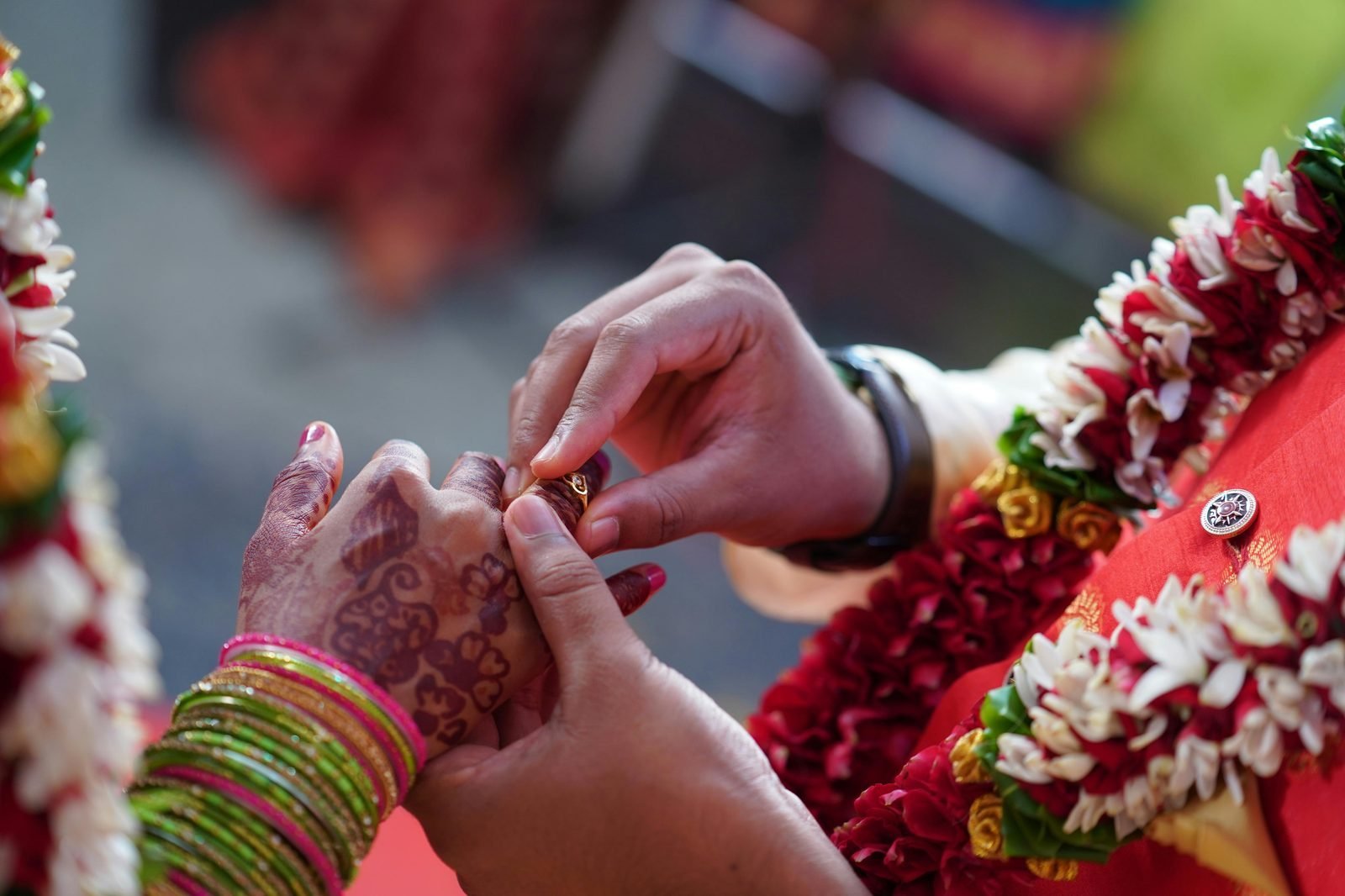
Shuddhi Sanskar and Marriage (2026): What the Law Says, How It Works, and When Not to Convert
📅 Updated 22 Sep 2026⏱ 36 min read
Quick answer: Shuddhi is the Arya Samaj ceremony through which a person of another faith adopts the Vedic Hindu religion. It involves a havan, Vedic mantras, a declaration of faith and, optionally, a new name. The mandir then issues a Shuddhi certificate. In law, a person can become a Hindu by genuine and voluntary conversion. The Supreme Court held in Perumal Nadar v. Ponnuswami (1970) that what matters is a real intention to adopt Hinduism and conduct consistent with it. After a genuine Shuddhi, the couple can marry by Arya Samaj rites and register under the Hindu Marriage Act. But a conversion done only to get married can be disregarded by courts. Several states, including Uttar Pradesh, Madhya Pradesh, Uttarakhand, Gujarat and Himachal Pradesh, require advance notice to the District Magistrate and penalise conversion by force, fraud, allurement or for marriage. Couples who do not wish to change religion can marry under the Special Marriage Act without any conversion.
Key takeaways
Shuddhi is the Arya Samaj ceremony for adopting the Vedic faith; its certificate is evidence, not a government document.
Indian law recognises genuine, voluntary conversion to Hinduism (Perumal Nadar, 1970); conversion only for marriage can be questioned.
Several states require prior notice to the District Magistrate and penalise conversion by force, fraud, allurement or for marriage.
After genuine Shuddhi, couples can marry by Arya Samaj rites and register under the Hindu Marriage Act.
Couples who wish to keep their faiths should marry under the Special Marriage Act; no conversion is needed.
Shuddhi is one of the most misunderstood subjects on marriage websites. Some pages present it as a quick formality before an Arya Samaj wedding. It is not. It is a change of religion, with religious meaning for the person and legal consequences for the marriage, property, children and, in several states, criminal law. This article explains Shuddhi honestly: what it is, when it makes sense, how the law treats it, and when the Special Marriage Act is the better choice.
If you are an interfaith couple still deciding how to marry, read our inter-religion marriage guide first. It explains the Special Marriage Act, which lets both partners keep their religions.
What Shuddhi Is
"Shuddhi" means purification. In Arya Samaj practice, the Shuddhi sanskar is the ceremony by which a person who was born into or follows another faith formally adopts the Vedic dharma. It is a religious rite, centred on the sacred fire, Vedic mantras and a declaration by the person of their faith and commitment. It is not a legal procedure in itself, but it is evidence that a conversion took place.
Arya Samaj also uses Shuddhi for people returning to Hindu dharma after an earlier conversion away from it, a situation sometimes described as "ghar wapsi" in public debate. The ceremony and the legal questions are broadly the same.
Where Shuddhi Comes From
Swami Dayanand Saraswati, who founded the Arya Samaj in 1875, rejected birth-based caste and taught that the Vedic path was open to all. Shuddhi became a formal Arya Samaj practice in the late nineteenth and early twentieth centuries, and leaders such as Swami Shraddhanand promoted it widely. Over time, it also became a way for Arya Samaj to accept people regardless of caste. Today, Arya Samaj mandirs across India perform Shuddhi for individuals who wish to adopt the Vedic faith, including, but not only, those who intend to marry.
Our Approach: Faith First, Never Pressure
We state our position plainly, because it shapes everything that follows:
We explain the Special Marriage Act to every interfaith couple first. It lets both partners keep their own religion, and for most couples it is the better route.
We arrange Shuddhi only where the person genuinely wishes to adopt the Vedic faith, speaks for themselves, and is not under pressure from a partner, a family or anyone else.
We speak to the person alone, in addition to speaking to the couple.
We explain the legal consequences, including state conversion laws, before any ceremony.
We do not perform Shuddhi for minors, or for anyone who appears uncertain or pressured.
A conversion made only to satisfy a family or to get around a legal requirement helps no one. It can be challenged later, it can have criminal consequences in some states, and it can leave the person living a religious identity they never chose.
Do You Need Shuddhi at All?
Your situation
Shuddhi needed?
Usual route
Hindu marrying a Sikh, Jain or Buddhist
No
Hindu Marriage Act; all four are "Hindu" for marriage
Hindu marrying a Muslim, Christian, Parsi or Jew, both keeping their faith
No
Special Marriage Act
Non-Hindu partner genuinely wishes to adopt Hindu dharma
Possibly
Shuddhi, then Arya Samaj marriage and HMA registration, subject to state law
Family insists on conversion, partner does not want it
No; conversion under pressure should not happen
Special Marriage Act
Person already practising Hindu faith for years but never formally converted
Often advisable, for clear evidence
Shuddhi, then marriage
Person born Hindu who converted away and wishes to return
Often performed
Shuddhi, then marriage
How Indian Law Treats Conversion to Hinduism
The Hindu Marriage Act, 1955 applies to any person who is a Hindu by religion in any of its forms, including by conversion. Courts have developed a few clear principles:
Genuine intention and conduct matter most. In Perumal Nadar v. Ponnuswami (1970), the Supreme Court held that a person may become a Hindu by conversion, and that a formal ceremony of purification is not strictly necessary if there is a bona fide intention to be converted, accompanied by conduct that unequivocally expresses it.
A ceremony is strong evidence. Although not essential in every case, a Shuddhi ceremony and certificate are useful evidence of conversion.
Acceptance by the community can be relevant. Courts have sometimes considered whether the person was accepted by the community they joined.
Freedom of conscience. Article 25 of the Constitution protects every person's freedom of conscience and right to profess, practise and propagate religion. In Rev. Stainislaus v. State of Madhya Pradesh (1977), the Supreme Court held that the right to propagate does not include a right to convert another person, which is why states can regulate conversion.
Adults choose their own faith. In Shafin Jahan v. Asokan (2018), the Supreme Court upheld an adult woman's choices of faith and partner.
A note on the Arya Marriage Validation Act, 1937: it validates marriages between Arya Samajists, including where they belonged to different castes or to different religions before becoming Arya Samajists. It does not create or regulate the Shuddhi ceremony itself, and it does not make any conversion valid automatically. Some websites describe it inaccurately.
Genuine Conversion vs Conversion Only for Marriage
This is the central legal risk. Courts have repeatedly questioned conversions made solely to marry:
In Sarla Mudgal v. Union of India (1995) and Lily Thomas v. Union of India (2000), the Supreme Court held that a married man who converts only to take a second wife without dissolving his first marriage commits bigamy; the conversion does not dissolve the first marriage.
The Allahabad High Court, in Noor Jahan Begum (2014) and Priyanshi (2020), declined to accept conversions made only for the purpose of marriage in the cases before it.
Later, in Salamat Ansari v. State of U.P. (2020), a larger bench of the same court held that those earlier decisions did not correctly address the couple's right to choose their partner, and emphasised adults' liberty. The genuineness of a conversion, however, remains a question courts can examine.
The practical lesson: if a conversion is not genuine, the religious marriage that follows can be questioned, and the couple may be left without a clear legal marriage. For couples who do not share a faith, the Special Marriage Act avoids this problem entirely.
State Anti-Conversion Laws
Several states regulate religious conversion by law. Their details differ and several are under challenge before the Supreme Court, but they commonly include:
Common feature
What it means for you
Prior declaration
The person converting, and sometimes the person performing the ceremony, must give advance notice to the District Magistrate (Uttar Pradesh and Madhya Pradesh require 60 days)
Inquiry
Police or administrative inquiry into the intention and circumstances
Post-conversion declaration
A declaration after conversion, sometimes with public display
Offences
Conversion by force, fraud, misrepresentation, undue influence, allurement, and in some states "by marriage"
Marriages for conversion
Some laws allow a marriage done solely for unlawful conversion to be declared void
Penalties
Imprisonment and fines; Uttar Pradesh increased maximum penalties in its 2024 amendment, up to life imprisonment for the most serious cases
States with such laws include Uttar Pradesh, Madhya Pradesh, Uttarakhand, Gujarat, Himachal Pradesh, Karnataka, Haryana, Odisha, Chhattisgarh, Jharkhand and Arunachal Pradesh, among others. Laws change, so check the current law of the state where either partner lives. A conversion performed in Delhi can still be examined under the law of the state where a partner lives, especially if the couple or families live there. Take legal advice before any Shuddhi if either partner or family lives in such a state.
Shuddhi in Delhi
At the time of writing, Delhi does not have a state anti-conversion statute of the kind listed above. That does not mean conversions in Delhi are free of scrutiny:
The conversion must still be genuine and voluntary.
If either partner lives in, or will return to, a state with a conversion law, that state's law may apply.
Criminal law, including provisions on coercion, applies everywhere.
Courts have criticised mandirs and organisations that issue conversion or marriage certificates without proper verification, and some have ordered inquiries into such practices.
Who Can Undergo Shuddhi
An adult: we perform Shuddhi only for adults who are old enough to marry if marriage is intended (21 for men, 18 for women).
Acting freely: the person must be acting of their own will, without pressure, threat or inducement.
Of sound mind: able to understand what a change of religion means.
Genuinely willing: wanting to follow the Vedic faith, not merely to satisfy a requirement.
Compliant with state law: where a state conversion law applies, its declaration and notice requirements must be met first.
The Shuddhi Ceremony, Step by Step
Conversation: a private discussion with the person about their reasons, understanding and freedom of choice, separate from the partner and family.
Legal check: age, identity and residence; whether any state conversion law applies; whether any required notice has been given.
Affidavit: a sworn declaration that the person is adopting the Vedic faith voluntarily, of their own free will, without force, fraud or inducement.
Havan: the sacred fire is lit, with Vedic mantras and offerings.
Declaration: the person declares, in their own words and through prescribed mantras, their acceptance of the Vedic dharma.
Gayatri mantra and teachings: the person is introduced to the Gayatri mantra and basic principles of Vedic practice.
Name (optional): the person may choose a new name. This is personal and not required.
Certificate: the mandir issues a Shuddhi certificate recording the ceremony.
The ceremony usually takes one to two hours. Family members and friends who support the person may attend.
Documents for Shuddhi
Document
Purpose
Age proof: Class 10 certificate, birth certificate or passport
Confirms adulthood
Identity and address proof
Identity; relevance of any state law
Recent photographs
For the certificate and records
Affidavit of voluntary conversion
Records free will and intention
Copy of any declaration or notice filed under a state conversion law
Where applicable
Witnesses who know the person
To attest the ceremony
We do not provide witnesses for Shuddhi or for marriage. The people attesting a change of faith should be people who genuinely know the person.
The Shuddhi Certificate: What It Proves and What It Does Not
It proves that a ceremony took place on a particular date at a particular mandir, with the person's declaration.
It is evidence of conversion, useful for the marriage, registration and records.
It is not a government certificate. It is issued by a private religious body.
It does not by itself satisfy any declaration or notice required by a state conversion law.
It does not guarantee that a court will treat the conversion as genuine if challenged; the person's intention and conduct matter.
To change your religion in government records, you generally need other steps, such as an affidavit and, for a name change, a gazette notification. See the records section below.
Marriage After Shuddhi
Once a person has genuinely adopted Hindu dharma, the couple can marry by Arya Samaj Vedic rites and register the marriage under the Hindu Marriage Act.
Complete the Shuddhi and any state-law formalities.
Prepare marriage documents for both partners, including the Shuddhi certificate and affidavit.
Arya Samaj Vedic wedding with saptapadi; mandir marriage certificate issued.
Apply on the Delhi e-District portal for registration under the Hindu Marriage Act.
Attend the SDM appointment with witnesses who know you; the officer may ask about the conversion.
Receive the government marriage certificate.
Some SDM offices look carefully at recent conversions, particularly where the Shuddhi took place shortly before the marriage. Be ready to answer questions honestly. Details of registration are in registration online in Delhi.
Legal Consequences of Converting
Area
After a genuine conversion to Hinduism
Marriage and divorce
Governed by the Hindu Marriage Act
Succession to your property
Generally the Hindu Succession Act
Inheritance from relatives of your former religion
Depends on their personal law; some personal laws affect inheritance across religions, so take advice
Adoption and maintenance
Hindu Adoptions and Maintenance Act, 1956 may apply
Guardianship of children
Hindu Minority and Guardianship Act, 1956, subject to the child's welfare
If the other spouse later converts away
Conversion by a spouse is a ground for divorce for the other spouse under Section 13(1)(ii) of the Hindu Marriage Act
Reservation benefits
Complex; Scheduled Caste status depends on the religion recognised in the Constitution (Scheduled Castes) Order and the facts of the case
These consequences are why conversion should be a considered decision. The Special Marriage Act, by contrast, leaves both partners' religions and personal-law positions largely untouched, though it has its own succession rules; see inter-religion marriage.
How Courts Look at a Disputed Conversion
When a conversion is challenged, for example by a family, in a divorce, or in a criminal complaint under a state law, courts usually look at the whole picture rather than the certificate alone. Factors that courts have considered include:
Factor
Why it matters
The person's own statement
An adult's clear account of why they converted carries weight
Knowledge of and interest in the new faith
Suggests genuine belief rather than formality
Timing relative to the marriage
A conversion on the same day as the marriage invites closer scrutiny
Conduct after conversion
Practice of the new faith, participation in its rites and festivals
Compliance with state law
Declarations and notices where required
Absence of pressure or inducement
Force, fraud or allurement undermines the conversion
Quality of the ceremony and records
A proper ceremony with genuine witnesses supports the conversion
None of these is decisive on its own, and every case depends on its facts. But couples who take their time, act openly and choose Shuddhi only out of genuine belief are far better placed if the conversion is ever questioned.
Recording the Change of Religion Officially
Religion is not recorded on Aadhaar, PAN or the passport, so there is usually nothing to "update" in those documents unless the name changes. Some people nonetheless want an official public record of their change of religion, for example for school admissions of children, employment records or future disputes. The usual route is to swear an affidavit, publish a notice in a newspaper, and apply for a notification of change of religion in the Gazette of India through the Department of Publication, following its current procedure. Where a state conversion law applies, its own declarations are also official records and should be kept safely.
What You Commit To: The Arya Samaj Principles
Shuddhi at an Arya Samaj mandir is an entry into the Vedic path as the Arya Samaj understands it. The Arya Samaj summarises its teachings in ten principles laid down by Swami Dayanand Saraswati. In broad terms, they emphasise:
God as the source of true knowledge, formless, just and all-pervading;
the Vedas as the books of true knowledge, to be read and taught;
readiness to accept truth and give up untruth;
acting according to dharma, after considering right and wrong;
working for the physical, spiritual and social good of all;
treating everyone with love and justice;
spreading knowledge and removing ignorance;
seeing one's own good in the good of all.
Arya Samaj practice centres on the havan, Vedic study and ethical living rather than idol worship. A person considering Shuddhi should understand this, because it is the faith they are adopting, not simply a marriage formality.
Living as a Vedic Hindu After Shuddhi
After Shuddhi, people practise their faith in their own way. Many of those we have seen:
perform a simple daily sandhya (prayer and meditation) and learn the Gayatri mantra;
take part in havans at home or at the mandir, especially on weekends and festivals;
celebrate festivals such as Diwali, Holi and Rakshabandhan with their new family;
perform the sixteen sanskars (life-cycle rites) for their children, as Arya Samaj teaches;
keep respect for the faith and family they came from, which Arya Samaj teachings do not require them to abandon in their relationships.
There is no test of religious knowledge. What matters is sincerity.
Warning Signs: What Mandirs Should Not Do
Because conversion has legal weight, a responsible mandir handles Shuddhi carefully. Be wary of any place that:
offers a "package" of conversion and marriage in an hour without any conversation with the person converting;
performs Shuddhi without checking age and identity;
issues a Shuddhi certificate without a ceremony, or with a backdated date;
ignores the conversion law of the state where the person lives;
arranges or supplies witnesses who do not know the person;
allows a partner or family member to answer questions on the person's behalf.
Courts have criticised certificates issued in such circumstances. A certificate that cannot withstand scrutiny puts both the conversion and the marriage at risk.
Questions to Ask Yourself Before Shuddhi
Would I want to adopt this faith even if I were not getting married?
Have I learned enough about Vedic practice to know what I am accepting?
Is my partner or their family pressing me, directly or indirectly?
How will my own family react, and am I prepared for that?
Do I understand how conversion affects my marriage law, inheritance and my children?
Does a state conversion law apply to me or my partner?
Have I considered marrying under the Special Marriage Act instead?
If the honest answer to the first question is "no", the Special Marriage Act is almost certainly the right route.
For the Partner Who Is Already Hindu
Partners sometimes feel that asking the other to convert is a sign of commitment. It is worth reflecting on what you are asking. A marriage under the Special Marriage Act is just as legal and just as permanent, your partner keeps their identity and their relationship with their own family, and your children can still be raised with Hindu values if you both agree. If your partner chooses Shuddhi, let it be their decision, reached in their own time.
Updating Your Name and Records After Conversion
Name change: if you adopt a new name, publish a notice in the Gazette of India (through the Department of Publication) after swearing an affidavit and publishing a newspaper notice, as the gazette procedure requires. Many people keep their original name; that is equally valid.
Religion change: the gazette also publishes notices of change of religion; this is useful evidence for official records.
Aadhaar, PAN, passport: update the name after the gazette notification if you changed it. Religion is not recorded on these documents.
Marriage certificate: the marriage is registered in the name you use at the time; keep documents linking old and new names.
Reconversion and Changing Faith Later
Faith is a personal matter, and an adult may later change religion again. The law recognises this, but the consequences can be significant:
A marriage validly registered under the Hindu Marriage Act does not become void because one spouse later converts.
However, under Section 13(1)(ii) of the Hindu Marriage Act, if a spouse ceases to be Hindu by converting to another religion, the other spouse may seek divorce on that ground.
The Supreme Court in Kailash Sonkar v. Maya Devi (1984) discussed reconversion to one's original faith and the restoration of the earlier status, in the context of Scheduled Caste status.
Inheritance and other personal-law consequences may change again with a later conversion.
Earlier versions of some web pages, including an older version of this one, said that the marriage "remains valid regardless" of later changes of religion. The marriage is not automatically void, but the other spouse's right to seek divorce is real and should be understood.
Families and Community
Conversion affects families as much as couples. Some families welcome a partner who adopts their faith; others feel hurt when their child leaves the faith they were raised in. A few thoughts from our experience:
Speak to your own family about your faith before or soon after the ceremony, if it is safe to do so.
Do not let the partner's family treat conversion as a condition of acceptance if you do not genuinely wish it; choose the Special Marriage Act instead.
If a family threatens either partner over conversion or marriage, seek protection; see legal rights.
Many interfaith families celebrate both traditions at home regardless of formal religion.
Shuddhi Route vs Special Marriage Act
Point
Shuddhi + Arya Samaj + HMA
Special Marriage Act
Religion after marriage
One partner changes religion
Both keep their own
Time
Days, if no state notice period applies; longer where notice is required
About 35–60 days
Public notice
None for the marriage; state conversion laws may require notice of conversion
30-day notice at SDM office
Main legal risk
Conversion questioned as not genuine; state law compliance
Exposure during the notice period
Law governing marriage
Hindu Marriage Act
Special Marriage Act
Suitable when
A partner sincerely wishes to adopt Hindu dharma
Both wish to keep their faiths, or there is any doubt
Cost
Our inter-religion marriage service is ₹10,000. It covers guidance on both routes and, where a partner genuinely chooses Shuddhi, the Shuddhi ceremony, the Arya Samaj wedding and the mandir certificates. SDM registration support and the full Special Marriage Act process are listed on our fees page (Special Marriage Act full process ₹15,000). Government fees are separate and shown in writing. Legal advice on a state conversion law, where needed, is separate.
Four Situations
The long-time practitioner
A woman raised in a Christian family had followed Hindu practices for several years and wished to formalise her faith before marrying her Hindu partner. She underwent Shuddhi with her sister and two friends present, and the couple married by Arya Samaj rites the following month.
The family condition
A Muslim man's Hindu fiancée's family insisted he convert. In a private conversation he said he did not want to change his faith. We advised the Special Marriage Act, and the couple married under it; both families eventually attended the reception.
The Uttar Pradesh resident
A partner living in Uttar Pradesh wished to adopt Hindu dharma. Because that state's law requires prior declaration and inquiry, she first took legal advice and followed the state procedure, and only then did the Shuddhi and marriage take place.
The returning family member
A man whose parents had converted to another faith when he was a child wished to return to Hindu dharma as an adult. He underwent Shuddhi and later married a Hindu partner under the Hindu Marriage Act.
Myths and Facts
Myth
Fact
"An interfaith couple must convert to marry."
No. The Special Marriage Act allows marriage without conversion.
"The Shuddhi certificate is a government document."
No. It is a mandir certificate and evidence of the ceremony.
"The Arya Marriage Validation Act makes every Shuddhi valid."
No. It validates certain marriages between Arya Samajists; the conversion must still be genuine.
"Anti-conversion laws do not apply to voluntary Shuddhi."
Many require prior notice even for voluntary conversion; check the state's law.
"Conversion lets a married man marry again."
No. The Supreme Court held this is bigamy.
"Later reconversion has no effect on the marriage."
The marriage is not void, but the other spouse can seek divorce on that ground.
Checklist Before Shuddhi
☐ I genuinely wish to adopt the Vedic faith, for my own reasons
☐ No one is pressuring me
☐ I have considered the Special Marriage Act as an alternative
☐ I am an adult and of marriageable age
☐ I have checked whether any state conversion law applies to me or my partner
☐ Any required notice or declaration has been completed
☐ I understand the effects on marriage, succession and inheritance
☐ Witnesses who know me will attend
One-Minute Summary
Shuddhi is the Arya Samaj ceremony for adopting the Vedic faith; the certificate is evidence, not a government document.
Indian law recognises genuine, voluntary conversion to Hinduism; conversion only for marriage can be questioned.
Several states require prior notice to the District Magistrate and penalise conversion by force, fraud, allurement or for marriage.
After genuine Shuddhi, a couple can marry by Arya Samaj rites and register under the Hindu Marriage Act.
Interfaith couples who wish to keep their faiths should use the Special Marriage Act.
How We Help
We explain both routes to every interfaith couple, speak privately to any partner considering Shuddhi, check age, documents and any state conversion law, and perform Shuddhi only where the person genuinely wishes it. We then conduct the Arya Samaj wedding and handle registration, or guide the couple through the Special Marriage Act instead. Everything is confidential. We do not provide witnesses.
Interfaith marriage: talk to us before deciding
Inter-religion marriage service ₹10,000, covering the Shuddhi or Special Marriage Act route. Honest advice first.
Before the questions below, one honest reminder. If the only reason for conversion is to marry quickly, pause and compare it with the Special Marriage Act, which lets both of you keep your religions. It takes a little longer, but it avoids the legal and family questions that a conversion done only for marriage can raise later.
Questions and Answers: Shuddhi and Conversion for Marriage
What is Shuddhi Sanskar?▼
Shuddhi Sanskar is the Arya Samaj ceremony through which a person of another faith formally adopts the Vedic Hindu dharma. It includes a private conversation about the person's intention, a havan with Vedic mantras, a declaration of faith, introduction to the Gayatri mantra and, if the person wishes, a new name. The mandir issues a Shuddhi certificate recording the ceremony. It is a religious rite, not a legal procedure in itself, but it is strong evidence that a conversion took place.
Is Shuddhi legally valid in India?▼
Indian law recognises genuine, voluntary conversion to Hinduism. In Perumal Nadar v. Ponnuswami (1970), the Supreme Court held that a person may become a Hindu by conversion where there is a bona fide intention to be converted and conduct that clearly expresses it, and that a formal purification ceremony is not strictly necessary. A Shuddhi ceremony and certificate are therefore useful evidence. However, a conversion done only to get married can be questioned by courts, and several states require prior notice before any conversion.
Do I need Shuddhi to marry a Hindu?▼
No. A person of any religion can marry a Hindu under the Special Marriage Act, 1954 without converting, with both keeping their own faiths. Shuddhi is needed only if the non-Hindu partner genuinely wishes to adopt the Vedic faith and the couple wants to marry by Hindu rites under the Hindu Marriage Act. A Hindu marrying a Sikh, Jain or Buddhist does not need any conversion either, because the Hindu Marriage Act treats all four as Hindus for marriage.
Is conversion only for marriage valid?▼
It can be questioned. Courts look at whether the person genuinely adopted the new faith. The Supreme Court held in Sarla Mudgal (1995) and Lily Thomas (2000) that a married man who converts only to take a second wife commits bigamy. The Allahabad High Court declined to accept marriage-only conversions in Noor Jahan Begum (2014) and Priyanshi (2020), though a later bench in Salamat Ansari (2020) emphasised adults' right to choose their partner. A conversion that is not genuine can leave the marriage open to challenge.
What are anti-conversion laws?▼
Several states, including Uttar Pradesh, Madhya Pradesh, Uttarakhand, Gujarat, Himachal Pradesh, Karnataka and Haryana, have laws regulating religious conversion. They commonly require prior declaration to the District Magistrate, provide for an inquiry, require a declaration after conversion, and penalise conversion by force, fraud, misrepresentation, undue influence, allurement and, in some states, by marriage. Some allow a marriage done solely for unlawful conversion to be declared void. Several of these laws are under challenge before the Supreme Court.
Does Uttar Pradesh's conversion law apply to Shuddhi?▼
The Uttar Pradesh Prohibition of Unlawful Conversion of Religion Act, 2021 applies to conversions generally, including a voluntary conversion to Hinduism. It requires a declaration to the District Magistrate before conversion, an inquiry, and a declaration afterwards, and it penalises unlawful conversions; the 2024 amendment increased maximum penalties. If either partner lives in Uttar Pradesh, take legal advice and follow the state procedure before any Shuddhi, even if the ceremony is to take place in Delhi.
Does Delhi have an anti-conversion law?▼
At the time of writing, Delhi does not have a state anti-conversion statute of the kind found in Uttar Pradesh, Madhya Pradesh and other states. However, the conversion must still be genuine and voluntary, criminal law against coercion applies, and if either partner lives in or returns to a state with a conversion law, that state's law may be relevant. Courts have also criticised certificates issued without proper verification. Laws change, so check the current position before proceeding.
How long does Shuddhi take?▼
The ceremony itself usually takes one to two hours, including the private conversation, the havan, the declaration and the certificate. Where a state conversion law requires prior notice to the District Magistrate, for example 60 days in Uttar Pradesh and Madhya Pradesh, the overall process takes much longer, because the notice and any inquiry must be completed first. Couples should not plan a same-day conversion and marriage without first checking whether any such law applies to them.
What documents are needed for Shuddhi?▼
Age proof such as a Class 10 certificate, birth certificate or passport; identity and address proof; recent photographs; an affidavit declaring that the conversion is voluntary and without force, fraud or inducement; a copy of any declaration or notice required under a state conversion law; and witnesses who genuinely know the person. We do not provide witnesses. The age proof matters because we perform Shuddhi only for adults, and, where marriage is intended, only for those of marriageable age.
Is the Shuddhi certificate a government certificate?▼
No. It is issued by the mandir, a private religious body. It records that the ceremony took place and is evidence of conversion, but it is not a government document, it does not satisfy any declaration required by a state conversion law, and it does not guarantee that a court will accept the conversion as genuine if challenged. For official records, people often publish a notice of change of religion or name in the Gazette of India.
Can we marry on the same day as Shuddhi?▼
Technically the ceremonies can follow one another, but we advise caution. A same-day conversion and marriage invites the question whether the conversion was genuine or only for marriage. If a state conversion law applies, the prior notice period makes same-day marriage impossible anyway. SDM offices may also ask questions at registration. Where a person has long practised the Hindu faith, a short interval may be reasonable; otherwise, the Special Marriage Act is usually the more secure route.
How is the marriage registered after Shuddhi?▼
After a genuine Shuddhi and an Arya Samaj Vedic wedding with saptapadi, the couple applies on the Delhi e-District portal for registration under the Hindu Marriage Act, uploading the Shuddhi certificate, affidavit, mandir marriage certificate and usual documents. Both partners and witnesses attend the SDM appointment, where the officer may ask about the conversion. The official fee is ₹100, or ₹10,000 for Tatkal. The government marriage certificate is then issued.
Does the SDM check conversions?▼
SDM offices may look carefully at a recent conversion, particularly when Shuddhi took place shortly before the marriage, because the Hindu Marriage Act applies only where both partners are Hindu. The officer may ask questions about the conversion and look at the Shuddhi certificate and affidavit. Answer honestly. If there is any doubt about the conversion, the Special Marriage Act is a safer route, because it does not depend on either partner's religion.
What happens to my inheritance after converting?▼
After a genuine conversion to Hinduism, succession to your own property is generally governed by the Hindu Succession Act. Your right to inherit from relatives who follow your former religion depends on their personal law, and some personal laws affect inheritance across religions. Property you already own remains yours. Because the rules are complex and depend on the religions involved, take legal advice before conversion if significant family property is involved, and consider making a will.
Can I reconvert to my original religion later?▼
Yes. Faith is a personal matter, and an adult may change religion again. A marriage validly registered under the Hindu Marriage Act does not become void because a spouse later converts. However, under Section 13(1)(ii) of the Hindu Marriage Act, if a spouse ceases to be Hindu by converting to another religion, the other spouse can seek divorce on that ground. Inheritance and other personal-law positions may also change again. Understand these consequences before converting in the first place.
Do I have to change my name after Shuddhi?▼
No. Taking a new name is optional and personal. Many people keep their original name. If you choose a new name, the formal way to change it in official records is an affidavit, a newspaper notice and a notification in the Gazette of India, after which Aadhaar, PAN, passport and bank records can be updated. For marriage registration, use the name on your identity documents at that time and keep documents linking the old and new names.
Can a minor undergo Shuddhi?▼
We do not perform Shuddhi for minors. Conversion is a serious personal decision, and many state conversion laws treat conversion of minors with additional safeguards and penalties. Where marriage is intended, the person must in any case be of marriageable age: 21 for a man and 18 for a woman. A child's religion is ordinarily a matter for parents and, in disputes, for courts deciding on the child's welfare.
Can my partner's family insist that I convert?▼
They can express their wishes, but no one can lawfully force you to change your religion. Conversion under pressure is not genuine, can be challenged later, and in several states conversion by undue influence or coercion is an offence. If you do not wish to convert, you can marry under the Special Marriage Act and keep your faith. We speak privately to anyone considering Shuddhi, and we do not proceed where we sense pressure.
Is Shuddhi the same as ghar wapsi?▼
Shuddhi is the Arya Samaj ceremony used both for people adopting the Vedic faith for the first time and for people returning to Hindu dharma after they or their family converted away from it. The term ghar wapsi is used in public debate for the second situation. Legally, the questions are the same: the conversion must be genuine and voluntary, and any applicable state law must be followed. We perform Shuddhi only on individual, voluntary request, never as part of group campaigns.
Does the Arya Marriage Validation Act make Shuddhi valid?▼
No. The Arya Marriage Validation Act, 1937 confirms that marriages between Arya Samajists are valid even if the partners belonged to different castes, or to different religions before becoming Arya Samajists. It does not create or regulate the Shuddhi ceremony and does not make every conversion valid automatically. Whether a person has genuinely become a Hindu or an Arya Samajist is still a question of fact, decided on their intention and conduct.
What does a person commit to in Shuddhi?▼
Shuddhi at an Arya Samaj mandir is an entry into the Vedic path as the Arya Samaj teaches it, summarised in the ten principles of Swami Dayanand Saraswati: belief in one formless God, the Vedas as the source of true knowledge, acceptance of truth, acting according to dharma, and working for the good of all. Practice centres on the havan, Vedic study and ethical living rather than idol worship. There is no test of knowledge, but sincerity matters.
What should a responsible mandir check before Shuddhi?▼
It should speak privately to the person converting, check age and identity, confirm that the person is acting freely, explain the legal consequences, check whether any state conversion law applies and whether required notices have been given, take an affidavit of voluntary conversion, and ensure the witnesses genuinely know the person. It should never issue a certificate without a ceremony or with a backdated date, or let a partner answer on the person's behalf.
Can a Muslim woman marry a Hindu man after Shuddhi?▼
If she genuinely wishes to adopt the Vedic faith and completes Shuddhi, and any applicable state conversion law is followed, the couple can marry by Arya Samaj rites and register under the Hindu Marriage Act. The conversion must be her own decision, free of pressure. If she wishes to keep her faith, the couple can marry under the Special Marriage Act instead. Families sometimes react strongly to such marriages, so plan for safety and seek protection if needed.
Can a Christian partner marry a Hindu without converting?▼
Yes. Under the Special Marriage Act, a Christian and a Hindu can marry while each keeps their own religion. The Indian Christian Marriage Act, 1872 also allows marriages where at least one partner is Christian, subject to church rules. Shuddhi is needed only if the Christian partner genuinely wishes to adopt the Vedic faith and the couple wants a Hindu Marriage Act marriage. Many Hindu-Christian couples marry under the Special Marriage Act and later hold a church blessing or family ceremony.
Does conversion affect Scheduled Caste status?▼
It can. Scheduled Caste status is recognised under the Constitution (Scheduled Castes) Order only for persons professing Hinduism, Sikhism or Buddhism, and courts decide questions of status after conversion and reconversion on the facts. The Supreme Court discussed reconversion and restoration of caste status in Kailash Sonkar v. Maya Devi (1984). If reservation benefits are important to you, take legal advice before any conversion or reconversion.
What if my family threatens me because of conversion or marriage?▼
Adults have the right to choose their faith and their partner. If you are threatened, dial 112 in an emergency, submit a written protection request to the local SHO and district DCP, and consider a High Court protection petition, which courts regularly grant to adult couples. Keep evidence of threats. The Supreme Court in Shafin Jahan upheld an adult woman's choices of faith and partner. Our love marriage legal rights guide explains protection in detail.
How much does Shuddhi and marriage cost?▼
Our inter-religion marriage service is ₹10,000. It covers advice on both routes and, where a partner genuinely chooses Shuddhi, the Shuddhi ceremony, the Arya Samaj wedding and the mandir certificates. The Special Marriage Act full process is ₹15,000. Official registration fees are separate: ₹100 for a normal Hindu Marriage Act registration appointment or ₹10,000 for Tatkal. Legal advice on a state conversion law, where needed, is separate. All charges are given in writing before you pay.
Is Shuddhi faster than the Special Marriage Act?▼
Sometimes, but speed should not be the reason to convert. Where no state notice period applies, Shuddhi, an Arya Samaj wedding and Tatkal registration can be completed within days, while the Special Marriage Act takes about 35 to 60 days because of its 30-day notice. But a conversion made only to save time can be questioned as not genuine, and in states with conversion laws the notice period removes any speed advantage. Choose the route that reflects your beliefs.
Do both partners have to be present for Shuddhi?▼
Only the person converting needs to undergo Shuddhi. The partner may attend, along with family and friends who support the person. We speak to the person converting privately, without the partner present, to make sure the decision is their own. For the marriage and registration that follow, both partners must of course be present, along with witnesses who know them.
Can someone who converted years ago marry by Arya Samaj rites?▼
Yes. A person who genuinely adopted Hindu dharma years ago, whether through Shuddhi or through long practice, can marry by Arya Samaj rites and register under the Hindu Marriage Act. If there was no formal ceremony, evidence of practice and, sometimes, a Shuddhi now can help establish the conversion for the registering office. The Supreme Court in Perumal Nadar recognised that genuine intention and conduct can establish conversion even without a formal ceremony.
What if my partner converts and later wants to return to their faith?▼
The marriage remains valid, but under Section 13(1)(ii) of the Hindu Marriage Act the Hindu spouse may seek divorce on the ground that the other has ceased to be Hindu by conversion. It is not automatic; many couples continue happily with different faiths. This is one reason we encourage couples to think carefully about whether conversion reflects real belief, and to consider the Special Marriage Act, under which a later change of faith does not create such a ground.
Are children affected by a parent's Shuddhi?▼
A parent's conversion does not automatically convert children who are already born. Children born after both parents are Hindu are generally treated as Hindus. Questions of a child's religion, guardianship and inheritance can become complicated where parents follow different faiths or change faith later, and courts decide disputes on the child's welfare. If you already have children, take advice on how conversion affects guardianship and inheritance.
Can a foreign national undergo Shuddhi in India?▼
A foreign national can adopt Hindu dharma through Shuddhi, subject to the same requirements of genuine intention and free will, and to any applicable Indian law. For marriage in India, many foreign partners use the Special Marriage Act instead, which avoids questions about conversion and is widely accepted abroad. If a foreign partner does choose Shuddhi, check how the conversion and marriage will be recognised in their own country, and ensure their visa allows the stay.
Why do you recommend the Special Marriage Act first?▼
Because for most interfaith couples it is the more secure and respectful route. Both partners keep their own religions and family relationships, there is no question of whether a conversion was genuine, state conversion laws do not apply, and the certificate is conclusive evidence of the marriage. Shuddhi is right only for someone who genuinely wishes to adopt the Vedic faith. Explaining both honestly lets each couple choose what reflects their beliefs.
How do you help interfaith couples considering Shuddhi?▼
We explain the Special Marriage Act and the Shuddhi route side by side, speak privately to the partner considering Shuddhi, check age, documents and any applicable state conversion law, and perform Shuddhi only where the person genuinely wishes it. We then conduct the Arya Samaj wedding and handle registration, or guide the couple through the Special Marriage Act instead. Our inter-religion marriage service is ₹10,000. Everything is confidential, and we do not provide witnesses.
How do courts decide whether a conversion is genuine?▼
Courts look at the whole picture: the person's own account, their knowledge of and interest in the new faith, the timing of the conversion relative to the marriage, their conduct afterwards, compliance with any state law, the absence of pressure or inducement, and the quality of the ceremony and records. No single factor decides the question. A person who converts openly, in their own time and out of genuine belief is far better placed if the conversion is ever challenged.
Can a change of religion be recorded in the Gazette?▼
Yes. People who want an official public record of a change of religion can swear an affidavit, publish a newspaper notice, and apply for a notification in the Gazette of India through the Department of Publication, following its current procedure. Religion is not recorded on Aadhaar, PAN or the passport, so those documents need updating only if the name changes. Where a state conversion law applies, its declarations are also official records and should be kept safely.
Can we hold a Shuddhi at home instead of the mandir?▼
A Shuddhi ceremony is sometimes performed at a home or another venue by an Arya Samaj priest, but for conversion and marriage purposes a ceremony at an established mandir, with proper records, a certificate and genuine witnesses, is much easier to prove if the conversion is ever questioned. Wherever it happens, the same safeguards apply: the person must be an adult acting freely, any applicable state law must be followed, and the person's intention must be genuine.
Sources and Official References
Facts in this article were checked against the following primary sources. Government fees and procedures change, so confirm current details on the official portal before applying.