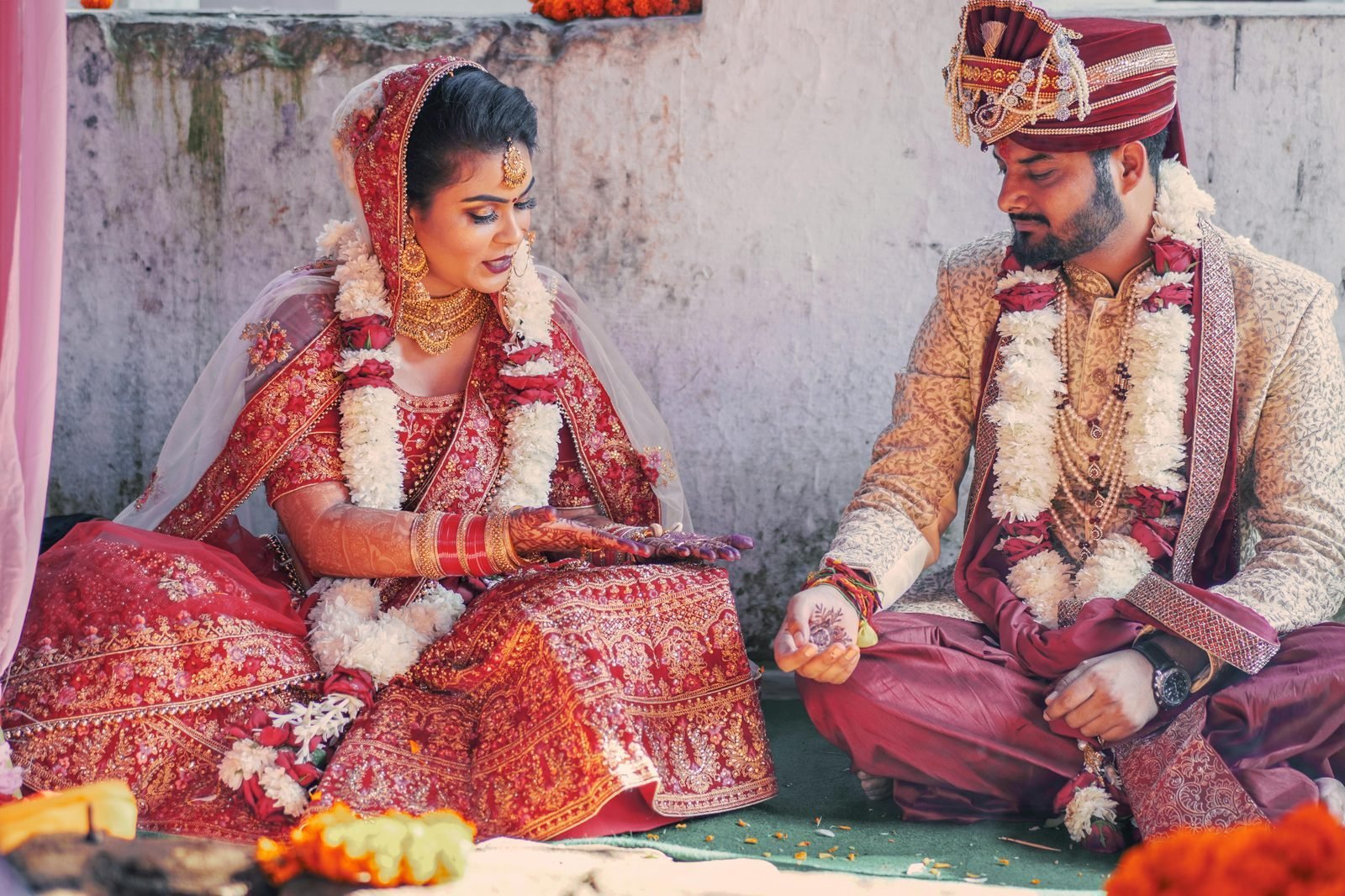
Court Marriage Witness Requirements in India (2026): Rules, Documents and Who Can Be a Witness
📅 Updated 22 Sep 2026⏱ 40 min read
Quick answer: A court marriage under the Special Marriage Act, 1954 needs three witnesses on the day of solemnisation; they sign the declaration and the Marriage Certificate Book in front of the Marriage Officer (Sections 11 and 13). For registering a Hindu marriage, such as an Arya Samaj wedding, under the Hindu Marriage Act, most Delhi offices ask for two witnesses who attended the marriage. A witness must be an adult of sound mind with an original government photo ID showing an address, two passport-size photographs, and must be physically present. Witnesses can be friends, colleagues, neighbours or relatives, of any religion, and do not need to live in Delhi. Most importantly, a witness must genuinely know the couple and actually see the marriage. Paid, hired or unknown "professional" witnesses are not acceptable, and we do not provide witnesses.
Key takeaways
Special Marriage Act: three witnesses sign the declaration and certificate book on solemnisation day (Sections 11–13).
Hindu Marriage Act registration in Delhi: usually two witnesses who attended the marriage.
Witnesses must be adults with original photo ID and two photos, and must attend in person.
Friends, colleagues, neighbours or relatives of any religion, from anywhere, can be witnesses.
Witnesses must genuinely know the couple; paid or hired witnesses are not acceptable, and we do not provide witnesses.
Last reviewed: 22 September 2026 · 40 min read
Our clear policy on witnesses
We do not provide, arrange, hire or pay witnesses for any marriage, and we advise every couple never to accept such an offer from anyone. A witness is legally confirming your identity and that your marriage took place in front of them. That confirmation only means something if the witness truly knows you. Please bring friends, colleagues or relatives who know you personally.
Witnesses are the part of court marriage that couples think about last and worry about most. Who counts? Do parents have to sign? What if nobody in the family agrees? Can a friend from another state come? This article answers every practical and legal question about marriage witnesses in Delhi and across India, and explains plainly why witnesses must be people who genuinely know you. For the wider process, see our main article on court marriage in Delhi and the step-by-step process.
Why the Law Requires Witnesses
Marriage changes legal status: inheritance, maintenance, nationality applications, children's rights and much more depend on it. So the law insists that a marriage is not just a private promise but an event seen and confirmed by independent people. Witnesses serve three purposes:
Identity: they confirm that the two people marrying are who they claim to be. This protects against impersonation and fraud.
Occurrence: they confirm that the marriage actually took place, in their presence, on that day.
Free consent: by being present, they can later testify that both partners married willingly, without force.
If the marriage is ever questioned, in a property dispute, a divorce, an immigration case or a criminal complaint, the witnesses' signatures and identities are part of the evidence. That is why the officer records their ID details, and why a witness who does not actually know you is worse than useless: their confirmation would not hold up.
How Many Witnesses Are Needed: Every Route
Route
Number of witnesses
Legal basis / practice
When they must be present
Court marriage under the Special Marriage Act
Three
Section 11 (declaration) and Section 13 (certificate), Special Marriage Act, 1954
Solemnisation day at the SDM office
Registration of an existing marriage under Sections 15–16, Special Marriage Act
Three
Special Marriage Act procedure
Registration day
Hindu Marriage Act registration in Delhi (after Arya Samaj or other Hindu wedding)
Usually two
Delhi registration practice; the Act itself does not fix a number
Registration appointment
Arya Samaj mandir ceremony
Usually two
Mandir practice
Ceremony day
Tatkal Hindu Marriage Act registration
Usually two
Same as normal registration
Tatkal appointment
Under the Special Marriage Act, witnesses are not needed when you file the notice or at the verification visit; they are needed only on the day of solemnisation. Under the Hindu Marriage Act, the witnesses at registration should ideally be people who actually attended the wedding, because they are confirming it took place. The Delhi Revenue Department's published guidance for Hindu marriage registration has referred to identification by a person who attended the marriage, which reflects the same principle.
Why three under the Special Marriage Act?
Section 11 requires the declaration in the Third Schedule to be signed by the parties and three witnesses in the presence of the Marriage Officer, and Section 12 says the marriage is complete only when the parties make their declaration to each other in the presence of the officer and the three witnesses. Section 13 then records the certificate, signed by the parties and the three witnesses. The number is fixed by the statute, so no office can accept fewer.
Who Can Be a Witness
The rules are broad. A witness can be almost any adult who knows you and can attend.
Adults: a witness must be a major (18 or older). Some offices prefer witnesses aged 21 or above; if possible, choose witnesses who are clearly adults with IDs that show it.
Of sound mind: capable of understanding what they are signing.
With valid ID: an original government photo ID showing their address.
Family members: parents, siblings, cousins, uncles, aunts and grandparents can all be witnesses.
Friends, colleagues and neighbours: fully acceptable, and the most common choice when families are not involved.
People of any religion or caste: a witness does not need to share the couple's faith.
People from outside Delhi: witnesses do not need a Delhi address; they must simply attend in person.
Foreign nationals: a foreigner who knows you can be a witness if they carry a passport and valid visa.
Men or women: there is no gender requirement for witnesses.
Who Cannot, or Should Not, Be a Witness
Minors: anyone under 18 cannot be a witness.
People without original ID: a photocopy or a phone photo is not enough on the day.
The bride or groom: a party to the marriage cannot also be a witness to it.
Someone who cannot attend: witnesses cannot sign remotely, by video or on a different day.
A person who does not know you: legally and ethically, a stranger cannot genuinely confirm your identity.
Anyone being paid to be a witness: paid or hired witnesses defeat the purpose of the law and create serious risk; see below.
Someone under the influence or unwell: the officer may refuse a witness who does not appear capable of understanding the declaration.
Why Witnesses Must Genuinely Know You
This is the heart of the matter. A marriage witness is not a formality to be filled by whoever is standing nearby. When a witness signs the Special Marriage Act declaration or the marriage register, they are attesting that they know the people marrying and that the marriage happened in front of them. That attestation has legal weight for decades.
Think about when witnesses might be needed again:
A relative challenges the marriage in a property or inheritance dispute and claims one partner was already married or underage.
An embassy doubts the genuineness of a marriage during a spouse-visa application.
One partner later alleges the marriage was forced or fraudulent.
A court needs to establish that the ceremony took place and who was present.
In each case, the witnesses may be asked how they know the couple, how long they have known them and what they saw. A friend of five years can answer. A stranger paid on the day cannot, and their signature may do more harm than good.
Why Paid or "Professional" Witnesses Are Wrong
You may see offers of "professional witnesses" or "witness arrangement" for a fee near government offices or online. We do not provide such witnesses, and we strongly advise couples to refuse such offers, for these reasons:
It defeats the law's purpose. A witness who does not know you cannot confirm your identity. Their attestation is hollow.
False attestation can be an offence. Section 45 of the Special Marriage Act makes it an offence to make, sign or attest a declaration or certificate containing a false statement. A stranger attesting that they know you exposes themselves, and potentially the arrangement, to legal trouble.
It weakens your marriage record. If the marriage is ever challenged, witnesses who cannot be traced, or who admit they were paid and never knew you, undermine your evidence.
It raises red flags. Officers and embassies are alert to repeat witnesses who appear in many unrelated marriages.
It can mask coercion. The whole point of independent witnesses is to protect against forced or fraudulent marriages; hired witnesses remove that protection.
The right solution to "we have no witnesses" is never to hire strangers. It is to ask people who genuinely know you, as explained in when family will not be witnesses.
What Makes a Good Witness
Legally eligible and genuinely good are not quite the same thing. The best witnesses tick all of these boxes:
They know you well and can say how and for how long.
They are reliable and will be on time on a weekday morning.
They can be trusted with your plans if privacy matters.
They are reachable later, with a stable phone number and address.
Their documents are in order, with an original ID showing a current address.
They support your marriage, so they will not be pressured into withdrawing.
What Each Witness Must Bring
Item
Details
Why
Original photo ID with address
Aadhaar, voter ID, passport or driving licence
Identity and address are recorded
Self-attested photocopy of that ID
Signed and dated
Kept on the office file
Two passport-size photographs
Recent, plain background
Pasted or attached to records
PAN card (optional)
Some offices ask for it
Additional identification
Address proof (if the ID address is old)
Utility bill or rent agreement
Where the ID address is out of date
Passport and visa (foreign witness)
Valid passport with valid Indian visa
Identity of a foreign national
Working mobile phone
For any OTP-based verification
Some processes use OTP checks
Witnesses do not need any document about the couple, and they do not need affidavits of their own in most cases. The couple's documents are explained in our documents required article.
What a Witness Actually Does on the Day
At a Special Marriage Act solemnisation
Arrives with the couple, usually in the morning, and waits for their turn.
Shows original ID to the dealing assistant; details are recorded.
Enters the Marriage Officer's room with the couple.
Signs the Third Schedule declaration along with the couple.
Watches the couple say the words of marriage to each other.
Signs the Marriage Certificate Book.
May be asked a simple question by the officer.
At an Arya Samaj ceremony
Witnesses attend the Vedic ceremony, see the havan and saptapadi, and sign the mandir's register. Because they actually see the ceremony, they are ideal witnesses later at the SDM registration too.
At Hindu Marriage Act registration
Witnesses appear before the registering officer with the couple, confirm that they attended the marriage and know the couple, and sign the register or form as required.
How long it takes
The signing itself is quick. Most of the time is waiting. Ask witnesses to keep three to four hours free on the day.
Questions Officers May Ask Witnesses
Officers do not usually interrogate witnesses, but they may ask a few simple questions, especially if something seems unusual. Typical questions include:
How do you know the bride or groom, and for how long?
Are you related to either of them?
Where do you live and what do you do?
Did you attend the ceremony? (for Hindu Marriage Act registration)
Do you know whether either of them was married before?
A witness who genuinely knows the couple answers these naturally. A witness who has just met them cannot, which is exactly why hired witnesses are a bad idea.
Is a Witness Legally Responsible for the Marriage?
A witness does not guarantee the marriage, does not become responsible for the couple's future, and does not take on any financial obligation. Couples sometimes struggle to find witnesses because friends fear they will "get into trouble". Reassure them:
A witness only confirms what they know and saw: who the couple are and that the marriage took place in front of them.
A witness is not liable if the couple later divorce or fall out with their families.
A witness may, rarely, be asked to give evidence if the marriage is challenged, confirming the same facts.
A witness does face legal risk if they knowingly attest something false, for example that they know someone they have never met, or that a party is unmarried when they know otherwise. Honest witnesses have nothing to fear.
How to Choose Your Witnesses
The best witnesses share four qualities: they know you well, they will keep your plans private if needed, they are reliable about time, and they have their documents in order. A practical way to choose:
List everyone who knows either of you well: close friends, college friends, colleagues you trust, neighbours, cousins, siblings, mentors.
Remove anyone who might tell your families before you are ready, if privacy matters.
Check IDs: ask each person whether they have an original Aadhaar, voter ID, passport or driving licence with a current address.
Check availability: the date and time are fixed by the office; confirm people can take a morning off.
Pick one extra: choose a standby in case someone falls ill or is called away. For a Special Marriage Act marriage, that means four people for three places.
Balancing witnesses between the two families
Where families are involved, many couples choose witnesses from both sides, for example one of the bride's friends, one of the groom's colleagues and one relative. This is not a legal requirement, but it makes the marriage feel shared and gives both sides someone who can speak for it later.
Can the same witnesses be used at the mandir and the SDM office?
Yes, and it is a good idea. Witnesses who attended the Arya Samaj ceremony can later confirm, at Hindu Marriage Act registration, that they saw the marriage take place.
When Family Will Not Be Witnesses
This is the situation behind most witness worries. In love, inter-caste and inter-religion marriages, parents and relatives may refuse to be involved, or the couple may not yet have told them. The law does not require family witnesses at all. What you need is adults who know you. Consider:
Close friends: school or college friends who have known you for years are ideal.
Colleagues: people you work with daily know you well and are often discreet.
Friends of the couple: people who know you both as a couple, which is even better evidence.
Supportive relatives: sometimes one cousin, sibling or aunt quietly supports the couple.
Neighbours or landlords: people who know you from where you live.
Mentors or teachers: someone who has known you professionally or academically.
If friends live in another city, they can travel for one morning. The appointment is usually known in advance, so there is time to plan. If you truly cannot find three people who know you, it is better to wait a little and build that circle than to accept strangers. For couples facing threats, our love marriage service and the article on love marriage legal rights explain the protections available.
Witnesses in Special Situations
Inter-religion marriages
Witnesses can belong to any religion. In a Special Marriage Act marriage between, say, a Hindu and a Muslim, the three witnesses could be friends of any faith. See inter-religion marriage in India.
Witnesses can be Indian or foreign. A foreign witness should bring a passport and valid visa. If the couple's friends are mostly abroad, plan early so that three people who know you are in Delhi on the day, or choose Indian friends and colleagues who know you. See NRI marriage in India.
Divorced or widowed partners
Witnesses do not need to know about a previous marriage in detail, but should not attest anything they know to be false. The couple's own documents, such as the divorce decree, establish marital status.
Registering an old marriage
For registering a marriage performed years ago, the best witnesses are people who attended the wedding. If they are no longer available, discuss with the office which alternatives it will accept, and never substitute people who were not there to claim they were.
Same witnesses for two couples
Where two couples marry on the same day and the same friends genuinely know both couples, those friends may witness both marriages. What matters is that each witness truly knows each couple.
Witness Problems and How to Fix Them
Problem
Fix
A witness has only a photocopy of ID
Ask them to bring the original; if they cannot, use your standby witness
ID address is old
Carry a recent utility bill or rent agreement as supporting proof
Name on ID is spelt differently from what they write
Write the name exactly as on the ID
A witness falls ill on the day
Call your standby; if none, ask the office about rescheduling within the three-month window
A witness is running late
Arrive early yourself and inform the counter; officers may wait briefly but not indefinitely
A witness backs out under family pressure
Choose a friend outside family circles; keep your plans private until the day
A witness does not speak Hindi or English well
That is fine; they can sign and answer simply; bring someone to explain if needed
Someone offers you "witnesses for a fee"
Decline. Use people who genuinely know you
Briefing Your Witnesses: What to Tell Them
A two-minute message the day before makes everything smoother. You can send something like this:
"Thank you for being our witness tomorrow. Please bring your original Aadhaar (or voter ID / passport / driving licence), one photocopy signed by you, and two passport photos. We will meet at [place] at [time]. It may take a few hours, mostly waiting. You will sign a declaration and a register, and the officer may ask how you know us. Please keep this private for now. Thank you!"
Witness checklist
☐ Knows the couple personally
☐ Adult with original photo ID showing address
☐ Self-attested photocopy of ID
☐ Two passport-size photographs
☐ PAN card if available
☐ Free for the whole morning
☐ Knows the meeting place and time
☐ Understands the plan is private, if needed
Witness Rules Under Other Indian Marriage Laws
Couples of different faiths often ask how witness rules compare across laws. This comparison helps explain why the Special Marriage Act rule of three is not unusual.
Law or ceremony
Witness requirement (in general terms)
Special Marriage Act, 1954
Three witnesses before the Marriage Officer
Hindu Marriage Act, 1955 (ceremony)
No fixed number in the Act; customary ceremonies are normally attended by family and friends; registration rules ask for witnesses
Indian Christian Marriage Act, 1872
At least two credible witnesses besides the person solemnising the marriage
Parsi Marriage and Divorce Act, 1936
Two Parsi witnesses besides the officiating priest
Muslim nikah (Sunni law)
Generally two adult Muslim male witnesses, or one male and two female witnesses; Shia law does not insist on witnesses
Sikh Anand Karaj
Performed before the congregation; registration rules ask for witnesses
Only the Special Marriage Act route is available to couples of different religions without conversion, and it has the clearest rule: three adult witnesses of any faith who know the couple.
Witnesses and Objections During the Notice Period
If someone objects to a Special Marriage Act marriage during the 30-day notice, the Marriage Officer inquires into the objection. Under Section 9, the officer has certain powers of a civil court, including summoning and examining witnesses. In practice this means:
People who can confirm the facts, such as that a partner is unmarried or of legal age, may be asked to give evidence.
Your solemnisation witnesses are not automatically involved, but friends who know you well are exactly the people who can help if an objection makes false claims.
Documents such as age proof and divorce decrees usually settle most objections without any witness evidence at all.
This is another reason to choose witnesses who know you: they may one day be the people who can speak for you.
What Officers Check in Witness IDs
Photograph: the person in front of them matches the photo.
Name: the name written in the register matches the ID exactly.
Address: an address is shown; if it is old, a supporting proof helps.
Age: the ID shows the witness is an adult.
Original: the ID is the original, not a copy or phone image.
Consistency: the same person has not appeared as a witness in suspicious numbers of unrelated marriages.
A Witness Timeline for a Special Marriage Act Marriage
When
What to do about witnesses
Before filing the notice
Shortlist four people who know you; check their IDs
During the 30-day notice
Confirm three witnesses and one standby; share the likely week
When the solemnisation date is fixed
Send the exact date, time and place; submit witness details if the office asks in advance
Day before
Send the briefing message and document reminder
On the day
Meet early; check everyone has original ID and photographs
After
Thank them; keep their contact details with your marriage records
Witness Checklist by Route
Special Marriage Act solemnisation
☐ Three witnesses who know you, plus one standby
☐ Each with original photo ID showing address, a signed copy and two photos
☐ All available for the full morning on the fixed date
☐ Date within three calendar months of the notice
Arya Samaj ceremony
☐ Two witnesses who know you
☐ Original ID and photographs
☐ Present through the ceremony so they can later confirm it
Hindu Marriage Act registration
☐ Two witnesses, ideally the ones who attended the ceremony
☐ Original ID, signed copy and photographs
☐ Available on the registration appointment (or Tatkal) date
Keeping Your Plans Private While Arranging Witnesses
For couples whose families do not yet know, choosing witnesses involves trust. A few simple habits help:
Choose people who are outside your family's social circle, or who have shown they can keep confidences.
Share details only with the witnesses, not with wider friend groups.
Avoid posting about the date on social media until after the marriage.
Collect witnesses' ID copies directly from them rather than through third parties.
Witnesses give their time and, sometimes, take a small social risk for you. It is natural to thank them with a meal, sweets or covering their travel. That is courtesy, not payment for their signature, and it is very different from hiring strangers. The key difference is simple: your witnesses would have come for you anyway, because they know you.
Witness Terms, Explained
Witness: an adult who is present at the marriage, knows the couple and signs to confirm it took place.
Attest: to confirm by signature that something is true or took place in your presence.
Declaration (Third Schedule): the statement signed by the couple and three witnesses before a Special Marriage Act marriage.
Marriage Certificate Book: the register in which the Special Marriage Act certificate is entered and signed by the couple and witnesses.
Solemnisation: the act of marrying before the Marriage Officer.
Standby witness: an extra person ready to step in if a witness cannot attend.
Self-attested copy: a photocopy signed by the document's owner to confirm it is a true copy.
Ten Real-Life Witness Situations, Answered
1. "Our best friend is 17. Can she be a witness?"
No. A witness must be an adult. She can attend and celebrate with you, but choose an adult to sign.
2. "My brother supports us but lives in Mumbai."
He can be a witness if he travels to Delhi for the solemnisation or registration and brings his original ID. The date is usually known in advance, so booking travel is possible.
3. "My colleague's Aadhaar has her old address."
Usually fine as identity proof. If the office wants a current address, she can carry a recent utility bill or rent agreement as support.
4. "Can my landlord be a witness? He has known me for four years."
Yes. A landlord who knows you well is a perfectly good witness, as long as he is an adult with valid ID and attends in person.
5. "We only have two friends who know about the marriage, and we need three."
Think wider: a trusted colleague, a cousin who supports you, a mentor or a neighbour. If you still have only two, consider waiting a little, or, if both of you are Hindu, whether an Arya Samaj wedding with Hindu Marriage Act registration (which usually needs two) suits you. Do not fill the third place with a stranger.
6. "Someone outside the office offered us three witnesses for money."
Decline politely and walk away. Those people do not know you and would be signing that they do. It weakens your marriage record and can expose everyone to legal trouble.
7. "My friend is a foreign national. Can he sign?"
Yes, if he knows you and carries his passport with a valid Indian visa. Many NRI couples have foreign friends as witnesses.
8. "Our witness is nervous that our families will blame him."
Reassure him that a witness only confirms facts: who you are and that the marriage happened. He takes no responsibility for your decision. If there is any risk of threats, discuss protection options before the date.
9. "Can our witnesses be a married couple?"
Yes. A husband and wife who both know you can both be witnesses.
10. "One witness speaks only Punjabi."
That is fine. He can sign, and simple questions can be answered with help from you or another witness. Language is not a barrier to being a witness.
Witness Tips for Particular Groups
Students
Classmates and seniors who know you are good choices. Make sure they carry original ID, not just a college card, since college IDs are often not accepted as primary identification.
Working professionals
Colleagues are often the easiest witnesses, but check leave in advance. A team lead or manager who knows you well can be a reassuring witness.
Armed forces and government employees
Colleagues from your unit or office can be witnesses. Separately, complete your service's marriage intimation procedure; the witnesses do not need to be from the same service.
Couples who recently moved to Delhi
Your witnesses can come from your hometown if they know you well; they only need to travel for the day. Local colleagues and neighbours you have known for some time are also fine.
Rumours You May Hear Outside SDM Offices
"The officer only accepts witnesses from our panel." False. Any adult who knows you, with valid ID, is acceptable.
"Family witnesses cause problems, use outsiders." False. Family members are perfectly valid witnesses.
"Witnesses must be government employees." Not a requirement for Special Marriage Act solemnisation; any eligible adult who knows you can witness.
"Pay extra and you won't need witnesses." False. The Special Marriage Act requires three witnesses; there is no way around it.
"Witnesses can sign tomorrow." False. They must be present at the solemnisation or registration.
If you hear anything that sounds like a shortcut, check with the office directly or call us. The law on witnesses is simple and does not change for a fee.
Why We Do Not Provide Witnesses
Couples sometimes ask why we will arrange a pandit, draft affidavits, file online and accompany them to the SDM office, but will not supply witnesses. The answer is that witnesses are the one part of a marriage that must come from the couple's own life.
Legal integrity: a witness confirms identity and occurrence. We cannot honestly supply people who know you, because they would be strangers.
Protecting you later: if your marriage is ever questioned, you need witnesses who can be found and who can truthfully say how they know you.
Protecting the witnesses: signing that you know someone you have never met exposes the signer to legal risk under provisions such as Section 45 of the Special Marriage Act.
Protecting the process: independent witnesses are a safeguard against forced or fraudulent marriages. A service that supplies witnesses removes that safeguard.
What we do instead is make sure your witnesses are ready: the right number, the right documents, the right time and a clear idea of what they will be asked.
Witnesses on the Marriage Certificate
Under the Special Marriage Act, the certificate entered in the Marriage Certificate Book is signed by the couple and the three witnesses, and the witnesses' names and details are part of the record. On a Hindu Marriage Act registration, the witnesses' details are recorded in the register or form. When you receive the certificate, check that the witnesses' names are spelt correctly, just as you check your own. A misspelt witness name is a small thing, but it is easier to correct at the counter than later.
After the Marriage: Keeping Witness Details
Keep a simple note with each witness's full name, phone number and address alongside your marriage certificate. Years later, if an embassy, court or relative questions the marriage, being able to contact the people who were there is valuable. Many couples also keep a photograph from the day with their witnesses, which is a pleasant memory and useful evidence.
What the Law Says, Section by Section
Provision
What it says about witnesses
Special Marriage Act, Section 11
Before solemnisation, the parties and three witnesses sign the declaration in the Third Schedule in the presence of the Marriage Officer, who countersigns it
Special Marriage Act, Section 12
The marriage is complete when each party says the words of marriage to the other in the presence of the Marriage Officer and the three witnesses
Special Marriage Act, Section 13
The Marriage Officer enters a certificate in the Marriage Certificate Book, signed by the parties and the three witnesses; it is conclusive evidence of the solemnisation
Special Marriage Act, Section 45
Making, signing or attesting a declaration or certificate containing a false statement is an offence
Hindu Marriage Act, Section 7
The marriage is solemnised by customary rites; the Act does not fix a number of witnesses for the ceremony
Hindu Marriage Act, Section 8 and state rules
Registration procedure, including identification and witnesses, is governed by rules; Delhi offices usually ask for two witnesses who attended the marriage
No; they can live anywhere, but must attend in person
Witnesses must share your religion
No; religion is irrelevant
You can hire witnesses at the office
You should not; witnesses must genuinely know you, and false attestation can be an offence
Witnesses can sign later or remotely
No; they must be present when the marriage is solemnised or registered
A witness becomes responsible for the marriage
No; they only confirm identity and that the marriage took place
Two witnesses are enough for court marriage
Not under the Special Marriage Act, which requires three
Women cannot be witnesses
False; there is no gender rule
Three Couples, Three Witness Solutions
These composite examples show how couples solved witness problems the right way.
Anjali and Rohit: families not yet told
An inter-caste couple wanted to marry before telling their families. They chose two college friends and Rohit's team leader, who had known them as a couple for three years. All three were discreet, had Aadhaar cards and took a morning off. At the SDM office, the officer asked one friend how long she had known them; she answered without hesitation. Their fourth friend stayed on standby by phone.
Imran and Priya: friends in different cities
Marrying under the Special Marriage Act, this couple's closest friends lived in Pune and Bengaluru. Because the solemnisation date was known a week ahead, two friends booked flights for the morning, and a Delhi colleague made up the third. They were tempted by an online offer of "instant witnesses" but declined it after realising those people would be signing that they knew the couple when they did not.
Suresh and Kavita: registering an older marriage
Married at a temple eight years earlier, this couple needed a certificate for their child's passport. They brought two relatives who had attended the wedding and could describe the ceremony. Registration under the Hindu Marriage Act went smoothly.
One-Minute Summary
Special Marriage Act: three witnesses on solemnisation day. Hindu Marriage Act registration in Delhi: usually two.
Witnesses must be adults with original photo ID, two photos, and must attend in person.
Friends, colleagues, neighbours or relatives of any religion, from anywhere, can be witnesses.
Witnesses must genuinely know the couple. Paid, hired or unknown witnesses are not acceptable.
We do not provide witnesses. Bring people who know you, and keep one standby.
How We Help With Witness Questions
We do not provide witnesses, but we do make sure your witnesses are ready. We tell you exactly how many you need for your route, check that their IDs will be accepted, give you a briefing message to send them, and plan the appointment so they know when and where to come. For everything else, see our court marriage, Arya Samaj marriage and marriage registration service pages, and our documents and fees pages.
Ready with your witnesses? Book your court marriage
Advocate-assisted court marriage in Delhi from ₹6,100, with drafting, filing and SDM visits. You bring your own witnesses; government fees separate and shown in writing.
How many witnesses are required for court marriage in India?▼
Three witnesses are required for a marriage solemnised under the Special Marriage Act, 1954. They sign the declaration and the Marriage Certificate Book in the presence of the Marriage Officer. For registration of a Hindu marriage under the Hindu Marriage Act, the number depends on state rules; most Delhi offices ask for two witnesses who attended the marriage.
Who can be a witness for court marriage?▼
Any adult of sound mind who knows the couple personally and has an original government photo ID showing an address. Friends, colleagues, neighbours and relatives all qualify. Witnesses can be of any religion or caste, men or women, and do not need to live in Delhi, but they must attend in person.
Can parents be witnesses in court marriage?▼
Yes. Parents, siblings, cousins and other relatives can be witnesses. However, parents are not required; the law only requires adults who know the couple. Many couples marry with friends as witnesses when families are not involved.
Do witnesses need to be from Delhi?▼
No. Witnesses can live anywhere in India, or even abroad, as long as they attend the SDM office in person with valid ID on the day. Only the couple needs to satisfy the residence rules for the office they apply to.
What documents do witnesses need for court marriage?▼
Each witness brings an original photo ID with address, such as Aadhaar, voter ID, passport or driving licence, one self-attested photocopy of it, and two recent passport-size photographs. Some offices also ask for a PAN card. A foreign witness brings a passport with a valid Indian visa.
Can we hire or pay witnesses for court marriage?▼
No. A witness confirms that they know the couple and that the marriage took place in front of them. A paid stranger cannot honestly do that, and attesting a false declaration can be an offence under Section 45 of the Special Marriage Act. We do not provide or arrange witnesses; please bring people who genuinely know you.
Do you provide witnesses for marriage?▼
No. We do not provide, arrange, hire or pay witnesses for any marriage. Witnesses must be friends, colleagues or relatives who know you personally. We do help you understand how many you need, check that their IDs will be accepted and brief them on what to bring.
What is the minimum age for a witness?▼
A witness must be an adult, that is, 18 or older. Some offices prefer witnesses aged 21 or above, so where you have a choice, pick witnesses whose ID clearly shows they are adults.
Can a witness be of a different religion from the couple?▼
Yes. Religion is irrelevant for witnesses. In a Hindu-Muslim marriage under the Special Marriage Act, for example, the witnesses can be friends of any faith.
Can women be witnesses in a marriage?▼
Yes. There is no gender requirement. Women and men are equally acceptable as witnesses under both the Special Marriage Act and Hindu Marriage Act registration.
When do witnesses need to be present in court marriage?▼
Under the Special Marriage Act, witnesses are needed only on the day of solemnisation, after the 30-day notice period. They are not needed when you file the notice or at the verification visit. For Hindu Marriage Act registration, they attend the registration appointment.
Can witnesses sign on a different day or online?▼
No. Witnesses must be physically present when the marriage is solemnised or registered and sign in front of the officer. Remote, video or later signatures are not accepted.
Is a witness legally responsible for the marriage?▼
No. A witness only confirms the couple's identity and that the marriage took place in their presence. They take no responsibility for the couple's future. They could, rarely, be asked to confirm the same facts if the marriage is challenged. Only a witness who knowingly attests something false faces legal risk.
What if our families refuse to be witnesses?▼
The law does not require family witnesses. Ask close friends, colleagues, neighbours or a supportive relative who knows you. Friends from another city can travel for one morning. Do not accept strangers or paid witnesses; if needed, wait a little until you can gather people who know you.
Can a foreigner be a witness in an Indian marriage?▼
Yes. A foreign national who knows the couple can be a witness if they carry a passport and valid Indian visa as identification. This is common in marriages involving NRIs or foreign spouses.
Can the same person witness two marriages on the same day?▼
Yes, if they genuinely know both couples. What matters is that each witness truly knows the people whose marriage they are witnessing. The same stranger appearing in many unrelated marriages is a red flag for officers.
What happens if a witness does not come on the day?▼
Under the Special Marriage Act, you need all three witnesses, so the solemnisation cannot proceed without a replacement. That is why you should keep a fourth person on standby. If you must reschedule, make sure the new date is within three calendar months of the notice.
Can a witness bring a photocopy of ID instead of the original?▼
Usually not. Offices check the original ID and keep a self-attested photocopy. A witness without the original may be refused, so remind witnesses the day before to carry it.
How many witnesses are needed for Arya Samaj marriage?▼
Arya Samaj mandirs usually require two witnesses at the ceremony. For registering the marriage afterwards under the Hindu Marriage Act in Delhi, two witnesses are typically needed again; using the same people who attended the ceremony is ideal.
Do witnesses need to know both the bride and the groom?▼
Ideally, yes, or at least one of them well enough to confirm identity. Witnesses who know the couple together are the strongest. A witness should be able to say honestly how they know the person or people they are vouching for.
What questions do officers ask witnesses?▼
Usually simple ones: how they know the couple and for how long, whether they are related, where they live, and for Hindu Marriage Act registration whether they attended the ceremony. Genuine witnesses answer easily.
Can a lawyer or notary be our witness?▼
A lawyer or notary can be a witness only in the same way as anyone else: if they genuinely know you personally. They should not be used as a paid substitute for people who know you.
Do witnesses need to give an affidavit?▼
In most cases, no. Witnesses sign the declaration and register at the office and provide their ID and photographs. The affidavits are given by the couple. If an office asks for anything more in a particular case, it will say so.
How long do witnesses have to stay at the SDM office?▼
The signing is quick, but waiting can take a few hours. Ask witnesses to keep the morning free. Arriving early helps you get an earlier turn.
Can a witness be related to both the bride and groom?▼
Yes, a relative can be a witness, including someone related to both. Being related does not disqualify a witness, provided they are an adult who knows the couple and has valid ID.
Are witnesses needed to register an old marriage?▼
Yes. For Hindu Marriage Act registration of a marriage performed years ago, witnesses who attended the wedding are best. For registration under Sections 15 and 16 of the Special Marriage Act, three witnesses are required.
What should we tell our witnesses beforehand?▼
Tell them the date, time and place, to bring their original photo ID, a self-attested copy and two photographs, that there may be a wait, that they will sign a declaration and register, and whether the plan is private. A short message the day before avoids problems.
Can a witness withdraw after signing?▼
Once the marriage is solemnised or registered with the witnesses' signatures, a witness cannot undo it by changing their mind. The certificate records what took place. A witness who later claims something different would have to explain it, which is why only honest witnesses should sign.
Is it illegal to use fake witnesses?▼
Attesting a declaration or certificate that contains a false statement is an offence under Section 45 of the Special Marriage Act, and false statements can also attract the general criminal law. Beyond that, fake witnesses weaken your marriage record if it is ever questioned. Always use people who genuinely know you.
Can a college ID card be used by a witness?▼
College ID cards are generally not accepted as primary identification because they are not government-issued. A student witness should bring an original Aadhaar, voter ID, passport or driving licence, with a self-attested copy and two photographs.
Can a husband and wife both be witnesses at our marriage?▼
Yes. A married couple who both know you can both be witnesses, provided each is an adult with original photo ID and both attend in person.
Do witnesses have to speak Hindi or English?▼
No. Language is not a requirement. A witness can sign and answer simple questions with help from you or another witness if needed. What matters is that they know you and saw the marriage.
Are witnesses needed at the verification visit under the Special Marriage Act?▼
No. Under the Special Marriage Act, witnesses are needed only on the solemnisation day after the 30-day notice. Only the couple attends the verification visit, with their original documents.
Can a neighbour or landlord be a witness?▼
Yes. A neighbour or landlord who has known you for some time is a perfectly good witness, as long as they are an adult with original photo ID showing an address and can attend in person. What matters is that they genuinely know you.
Should our witnesses have attended the Arya Samaj ceremony?▼
It is best if they did. For Hindu Marriage Act registration, witnesses confirm that the marriage took place, so people who actually attended the ceremony are the strongest witnesses. Using the same two people at the mandir and at the SDM office is common and sensible.
Is it okay to thank witnesses with a gift or meal?▼
Yes. Thanking friends who give their time with a meal, sweets or travel costs is ordinary courtesy. That is completely different from paying strangers to sign. Your witnesses should be people who would come for you anyway because they know you.
How many standby witnesses should we keep?▼
One standby is usually enough. For a Special Marriage Act marriage, that means four people for three places; for Hindu Marriage Act registration, three people for two places. The standby should also know you and carry original ID on the day.
Can you help us if we are unsure about our witnesses?▼
Yes. Call or WhatsApp +91 8376863962. We will tell you how many witnesses your route needs, check whether their IDs will be accepted and share a briefing message. We do not provide witnesses, but we make sure the people you bring are ready.
Sources and Official References
Facts in this article were checked against the following primary sources. Government fees and procedures change, so confirm current details on the official portal before applying.